Morocco Top Trips · Updated 30 October 2026
Fes is the Moroccan city that surprises people most. Marrakech is louder and more famous, but Fes is older, more traditional and, for many of our travelers, more memorable. Its medina, Fes el-Bali, has been lived in for more than a thousand years, and it still works the way it always has: donkeys carry goods through lanes too narrow for cars, coppersmiths hammer in tiny workshops, and the call to prayer echoes from dozens of mosques at once.
This guide covers the places we take our own guests, plus practical tips on getting around, eating well and planning day trips. Two full days is a good amount of time for Fes; three lets you slow down and add Volubilis or Ifrane.

1. Walk the Fes el-Bali medina
Fes el-Bali is a UNESCO World Heritage Site and one of the largest car-free urban areas in the world. Most visitors enter through Bab Boujloud, the tiled gate that is blue on the outside and green on the inside, and follow Talaa Kebira, the main lane that runs downhill towards the heart of the old city.
Getting a little lost is part of the experience, but the medina has more than 9,000 lanes and many dead ends. For your first visit, we strongly recommend a licensed local guide for at least half a day. A good guide shows you places you would never find alone, keeps the pace comfortable and makes sure you aren’t steered from shop to shop.
2. Bou Inania Madrasa

Built in the 1350s by the Marinid sultan Abu Inan Faris, Bou Inania is one of the few religious buildings in Fes that non-Muslims can enter. The courtyard is a lesson in Moroccan craftsmanship: zellige tilework at the bottom, carved stucco in the middle and cedar wood at the top. Go early in the morning, when the light is soft and the courtyard is quiet.
3. Al-Attarine Madrasa
Smaller and older than Bou Inania, the Al-Attarine Madrasa dates from the 1320s and sits right next to the spice and perfume souk it is named after. Its decoration is some of the finest in the city, and because it is less visited, you can often enjoy it almost alone.
4. Al-Qarawiyyin Mosque and University

Founded in 859 by Fatima al-Fihri, Al-Qarawiyyin is often described as the oldest continuously operating university in the world. The mosque itself is closed to non-Muslims, but from the main doorways you can look into the courtyard and see the fountains and green-tiled roofs. Your guide will explain how the mosque shaped the whole layout of the medina around it.
5. Chouara Tannery

The view over the Chouara Tannery is the most photographed scene in Fes: hundreds of stone vats filled with dyes, and workers treating hides by hand, much as they have for centuries. You watch from the terraces of the surrounding leather shops. The shops will offer you a sprig of mint for the smell, and of course they hope you’ll look at their bags and jackets afterwards. There is no obligation to buy.
Mid-morning is the best time, when the work is in full swing and the light is good for photos.
6. Nejjarine Museum of Wooden Arts and Crafts
This restored 18th-century fondouk, an old merchants’ inn, now displays carved doors, furniture and tools from Moroccan woodworkers. The building itself is as beautiful as the collection, and the rooftop café has one of the nicest views in the medina. The square outside, with its tiled fountain, is a good place to pause.
7. Dar Batha Museum and its garden

Dar Batha is a 19th-century palace on the edge of the medina, now a museum of Moroccan arts with ceramics, embroidery, carpets and woodwork. Even if museums aren’t your thing, the Andalusian garden inside is a calm place to sit away from the crowds.
8. Jnan Sbil Gardens

A short walk from Bab Boujloud, Jnan Sbil is one of the oldest gardens in Fes, with palm trees, ponds and shaded paths. Local families come here in the late afternoon, and it is a pleasant break between visits.
9. Fes el-Jdid, the Royal Palace gates and the Mellah

Fes el-Jdid, the “new” Fes, was built in the 13th century, which tells you how old the rest of the city is. Its highlight is the Royal Palace, Dar el-Makhzen. The palace is closed to visitors, but its huge brass doors and tiled arches make a great photo stop. Right next door is the Mellah, the old Jewish quarter, with its distinctive balconied houses, a historic synagogue and a large Jewish cemetery.
10. Sunset at the Merenid Tombs
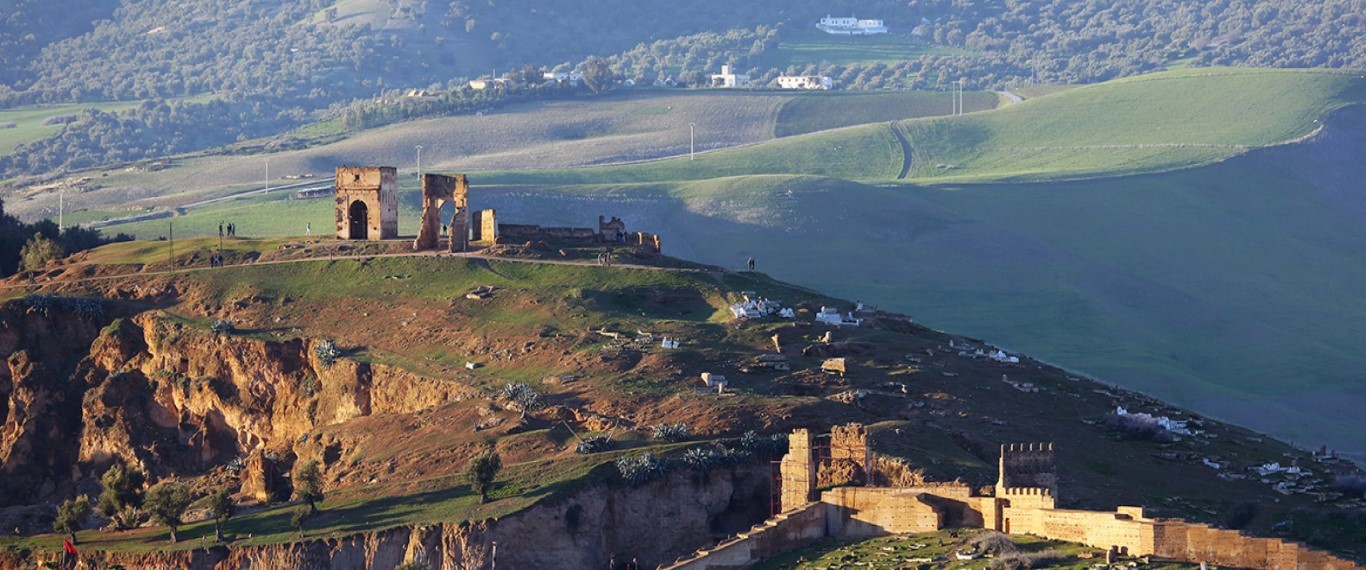
The ruined 14th-century tombs on the hill north of the medina are not much to look at up close, but the view is the best in Fes. Come about an hour before sunset and watch the whole medina turn gold. It is easiest to go by car or taxi; your driver can wait while you enjoy the view.
Eating in Fes

Fes has a strong food tradition, and some dishes are at their best here. Try pastilla, the sweet and savory pie of pigeon or chicken with almonds, and a slow-cooked tagine with preserved lemon and olives. For something simple, look for bissara, a warming fava bean soup sold at breakfast in small stalls.
Food lovers should consider a cooking class. Many riads and cooking schools in the medina run half-day classes that start with a visit to the market to buy ingredients. Rooftop restaurants are the best choice for dinner, especially in spring and autumn.

Crafts and shopping
Fes is known for its blue-and-white pottery, leather goods, brass lamps and embroidery. The pottery cooperatives on the edge of town let you watch zellige tiles being cut and assembled by hand, which is fascinating even if you don’t buy anything. In the medina, take your time, compare a few shops and bargain politely. A smile and a fair offer go a long way.
Where to stay in Fes
Stay inside or right next to the medina, in a traditional riad. Waking up in a quiet courtyard and stepping straight into the old city is half the magic of Fes. A few places our travelers enjoy:
- Riad Fes – Relais & Châteaux: a luxury riad with a pool, gardens and a well-regarded restaurant.
- Riad Salam Fes: traditional decoration and a calm courtyard, close to the main sights.
- Palais Houyam: a restored palace-style riad with spacious rooms.
- Riad Ahlam: a smaller, welcoming guesthouse with a rooftop terrace.
For more ideas, see our guide to the best riads in Morocco. On our private tours, we match the riad to your chosen package.
Day trips from Fes
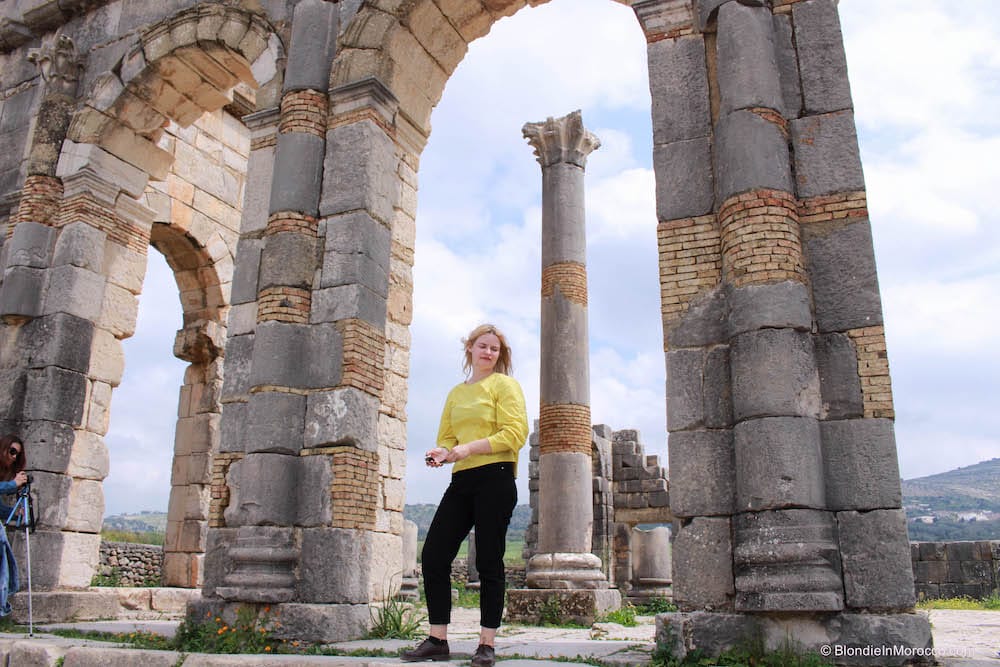
- Volubilis and Meknes: the best-preserved Roman site in Morocco, with mosaics still in place, followed by the imperial city of Meknes and its Bab Mansour gate. Both fit easily into one day.
- Ifrane and the Middle Atlas: about an hour from Fes, with cedar forests, Barbary macaques and cooler air in summer.
- Chefchaouen: the blue city is around four hours away, so it is a long day trip. If you can, stay a night. See our private Chefchaouen day trip from Fes.
- The Sahara: the drive to Merzouga takes most of a day, so plan at least two nights. Our 2-day desert tour from Fes and 3-day Merzouga tour are the most popular options.
You can find more routes on our tours from Fes page, or read our ideas for private tours from Fes.
Practical tips for visiting Fes
- Best time to visit: March to May and September to November. Summer afternoons are very hot, and winter evenings can be cold.
- Fridays: many shops in the medina close around midday prayers, so plan sightseeing rather than shopping.
- Unofficial guides: young men may offer to show you the way or tell you a street is closed. A polite “no, thank you” is enough. Licensed guides carry an official badge.
- Comfortable shoes: the lanes are steep, uneven and sometimes slippery.
- Photos: always ask before photographing people, especially in workshops and markets.
- The sacred music festival: if you visit in spring, check the dates of the Fes Festival of World Sacred Music.
Frequently asked questions
How many days do I need in Fes?
Two full days covers the main sights of the medina at a comfortable pace. Add a third day for Volubilis and Meknes, or for a slower visit with a cooking class.
Do I need a guide in Fes?
Not strictly, but for a first visit a licensed guide makes a big difference. The medina is easy to get lost in, and a guide brings the history to life and keeps unofficial guides away.
Is Fes better than Marrakech?
They are very different. Marrakech is livelier and more international; Fes is older, quieter in its own way and feels more traditional. Most of our travelers visit both, as on our 8-day private tour from Fes to Marrakech.
Can non-Muslims visit the mosques in Fes?
Non-Muslims cannot enter working mosques such as Al-Qarawiyyin, but you can visit the Bou Inania and Al-Attarine madrasas, which are among the finest buildings in the city.
Plan your visit to Fes
Fes is a highlight of most of our private tours. Tell us how long you have and what you enjoy, and we’ll build a route around it, with a local guide in Fes and your own driver for the journey. Request your private tour quote, or read more about Morocco’s imperial cities.