Mohamed Boumeshoul, founder · Updated November 2026
A little preparation helps you enjoy Morocco with more confidence. These Morocco safety tips cover the practical choices that matter: planning your route, keeping belongings secure, arranging transport and knowing where to get help. Use them alongside current official travel advice for your nationality and itinerary.
In this guide
Before you travel: check advice and prepare
Check your government’s advice before booking and again shortly before departure. The US Morocco travel advisory currently recommends increased caution because of terrorism. Advice and regional restrictions can change; read the full page rather than relying only on its headline.
The UK government’s Morocco advice also covers entry requirements, insurance and local conditions. Choose guidance that applies to your passport and circumstances. A private tour can simplify logistics, but no operator can guarantee personal safety.
- Confirm passport, visa and entry requirements for your nationality with the relevant authorities.
- Buy travel insurance that covers your route and planned activities, and save its emergency contact.
- Keep secure copies of important documents and store them separately from the originals.
- Save your first hotel’s address, arrival contact and transfer arrangements offline.
Keep belongings secure in medinas and busy places
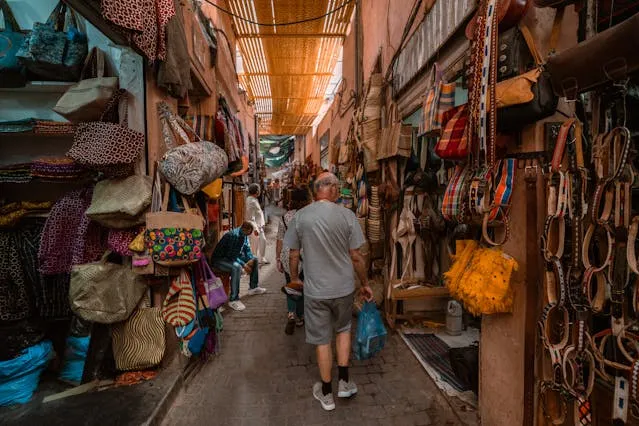
Markets are part of the pleasure of visiting Morocco. Carry only the money and valuables you need for the day, keep bags closed and avoid leaving phones on café tables. Pause somewhere convenient when checking directions rather than standing in the middle of a busy lane.
For a first medina visit, book a licensed local guide through your accommodation or tour planner and confirm the meeting point and fee. You can decline unwanted offers politely and continue walking. Ask your hotel for a sensible route home after dinner, and arrange transport when the walk is unfamiliar or quiet.
Keep time in your schedule for a relaxed visit rather than rushing between landmarks. Our Marrakech sightseeing guide can help you choose a manageable first day.
Choose transport and routes that suit your pace
Confirm who will meet you at the airport, where they will wait and how to reach them if your flight changes. For a taxi ride, establish the fare or meter arrangements before setting off. On longer journeys, discuss stops, luggage space and seat requirements in advance.
For our private tours, we plan intercity driving in daylight and include breaks. Tell us if you prefer shorter driving days, fewer hotel changes or child seats. Read the route carefully: a Sahara itinerary should allow time for the journey as well as the camp stay.
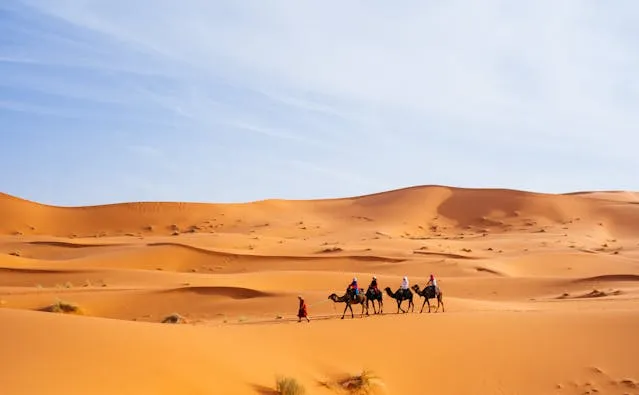
Our peaceful desert-trip guide explains how to allow a slower pace around Merzouga and compare a Sahara journey with a shorter Agafay outing.
Plan outdoor activities with the right support
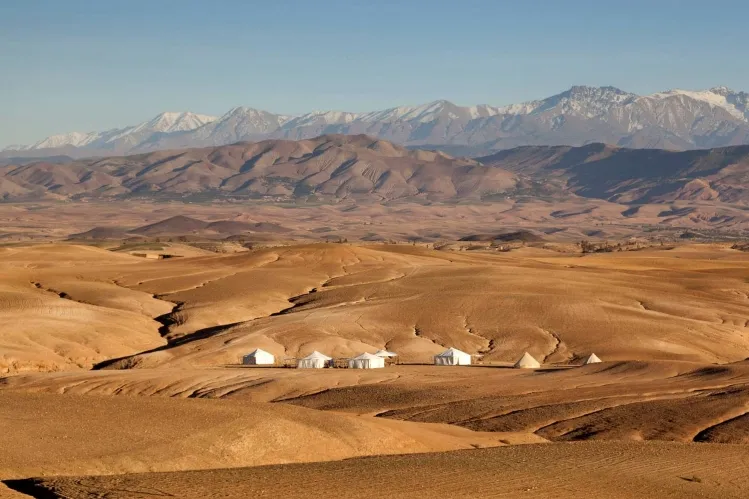
For mountains or isolated terrain, go with a qualified local guide and choose an outing suited to your fitness and experience. Australia’s official Morocco travel advice recommends against hiking alone in mountainous or isolated areas. Ask about conditions, equipment, communications and the return plan before you leave.
Tell your planner about mobility needs and the activities you want to avoid. You can ask for a vehicle transfer instead of a camel ride, or a shorter walk instead of a demanding hike. Check that your insurance covers each activity you choose.
For a day near Marrakech, our Agafay guide describes the landscape and possible outings. Keep plans flexible if weather or local conditions require a change.
Look after your health and respect local customs
Arrange travel-health advice before departure, bring enough prescribed medication and discuss any access needs with your planner. Follow food and water hygiene precautions and make allergies clear when ordering. Keep water, sun protection and a suitable layer within reach during day trips.
The official health guidance notes that allergen information may be inconsistent and that rabies is present. Avoid contact with stray animals, and seek medical advice immediately after a bite or scratch.
Ask before photographing people, follow any site-specific dress rules and respect private homes and farmland. Read the official safety and local-law guidance before travelling, including advice relevant to your personal circumstances. Local laws can differ substantially from those at home.
Everyday tips that make the trip easier
- Dress: modest clothing is appreciated everywhere and essential in villages and religious sites. Covering shoulders and knees is a good rule for everyone, and a light scarf is useful for women.
- A few words help: “salam alaikum” (hello) and “shukran” (thank you) are always welcome, and French is widely spoken in cities.
- Food and water: drink bottled or filtered water and skip ice in small cafés. Busy restaurants and stalls full of locals are usually the safest choice.
- Sun and heat: wear a hat, sunglasses and sunscreen, and plan desert and mountain walks for early morning or late afternoon in summer.
- Cash: small shops, taxis and markets usually want dirhams in cash. Carry small notes and keep larger sums in your hotel safe.
- Stay connected: a local SIM card or eSIM is cheap and makes maps, translation and calling your driver much easier.
Keep emergency information ready
Save these numbers along with your hotel, insurer and embassy or consulate. The UK government’s emergency contacts for Morocco lists:
- Police: 190
- Ambulance: 150
In an emergency, contact the appropriate service first and share your location as clearly as possible. Your hotel or guide may help explain where you are. Contact your insurer promptly if you need medical care or assistance. Our tour support helps with travel arrangements and does not replace emergency services.
Frequently asked questions
Is Morocco safe for every traveler?
Risk depends on the place, activity, timing and individual circumstances. Read current official advice, choose a suitable itinerary and take everyday precautions. A welcoming destination can still have risks that deserve attention.
Do I need a guide for every city visit?
You can plan independent city sightseeing, but a licensed guide can help with orientation and context in a medina. For remote outdoor trips, arrange suitable qualified support rather than treating a city walk and a mountain route as the same activity.
Can a private trip help with planning?
Yes. Private transport, agreed meeting points and a clear itinerary can reduce uncertainty. Tell your planner about your pace, accessibility needs and preferences so the proposal fits your group.
Plan a well-prepared Morocco trip
Our local team can arrange a private route, driver, accommodation and local guides around your dates and interests, with tour assistance 24/7. Browse our Morocco tour ideas or contact us to discuss your plans.
Planning from the US? Our page on Morocco tours from the USA covers nonstop flights and arrival airports. If you would like a driver with you between cities, browse our private tours from Casablanca, the main arrival airport for flights from North America.