

Mohamed Boumeshoul, founder · Updated November 2026

Morocco has four imperial cities: Marrakech, Fez, Meknes and Rabat. Each one served as the capital under a different dynasty, and each sultan left his mark in palaces, city gates, mosques and madrasas. Seen together on one of our tours of Morocco, they tell the country’s story from the Middle Ages to today.
Want to see all four with a guide? Our 8-day imperial cities tour from Casablanca covers Rabat, Meknes and the Roman ruins of Volubilis on day two, gives you a full guided day in the Fes medina, adds a night in the Sahara, and ends with a guided day in Marrakech.
Quick answer
Morocco’s four imperial cities are Fes, Marrakech, Meknes and Rabat. You can see all four in about a week: Rabat, Meknes and the Roman ruins of Volubilis fit into one day’s drive from Casablanca, Fes deserves a full day, and Marrakech at least one, ideally two.
See all four on a private trip
In this guide
Marrakech – The Red City
Marrakech is perhaps the most famous of the Imperial Cities. It is often called the Red City because of the red-colored walls and buildings made from clay. Founded in the 11th century, Marrakech quickly became an important center for trade, culture, and religion.
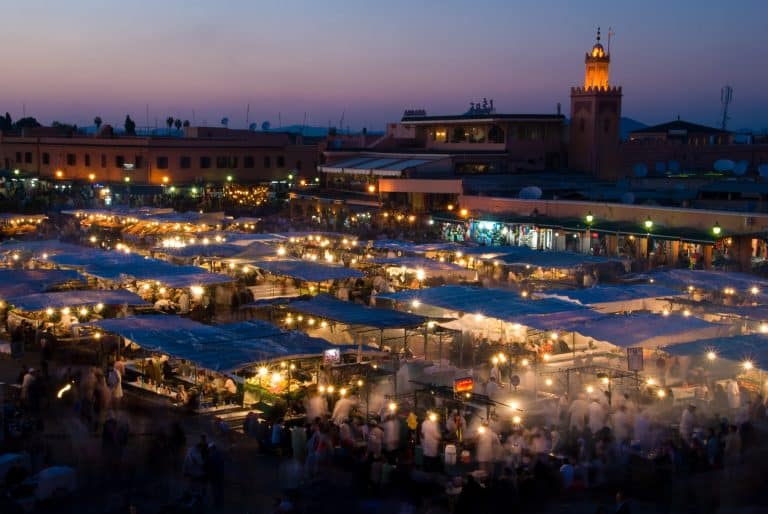
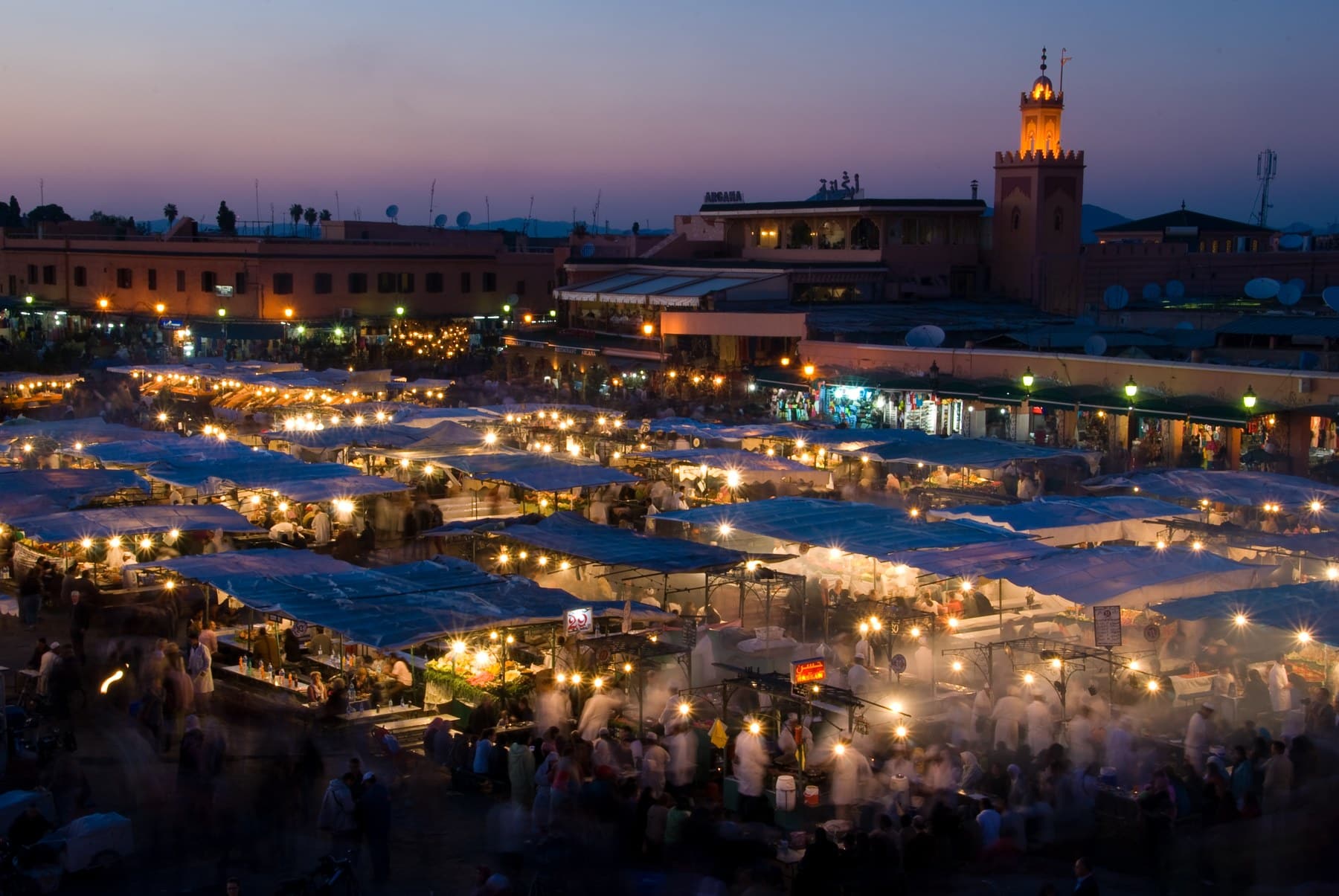
One of the city’s most famous spots is the Jemaa el-Fna Square – a lively place full of street performers, musicians, food stalls, and storytellers. At night, it comes alive with smells of delicious Moroccan dishes like couscous and tagine. Not far from the square, you can explore the souks, or traditional markets, where you can find carpets, spices, leather goods, and handmade jewelry.
Marrakech also has beautiful historical sites like the Koutoubia Mosque, with its tall minaret, and the Bahia Palace, known for its elegant gardens and detailed tilework. Walking through the narrow streets of the old medina feels like stepping back in time.
Fez – The Spiritual and Cultural Heart
Fez is considered Morocco’s spiritual and cultural capital. Founded in the 9th century, it is home to the University of Al Quaraouiyine, one of the oldest universities in the world. The city’s medina, Fes el-Bali, is a UNESCO World Heritage Site and is famous for its maze-like streets – there are said to be more than 9,000 alleys!
Inside the medina, you can see the traditional tanneries, where leather is still dyed using ancient methods. The colorful dye pits create a striking view from above. Fez is also full of beautiful mosques, madrasas (Islamic schools), and fountains decorated with zellige tiles.
The city is less touristy than Marrakech, which makes it feel more authentic to many visitors. It’s a place where traditions are still very much alive, from the call to prayer echoing through the streets to craftsmen working with wood, metal, and ceramics.
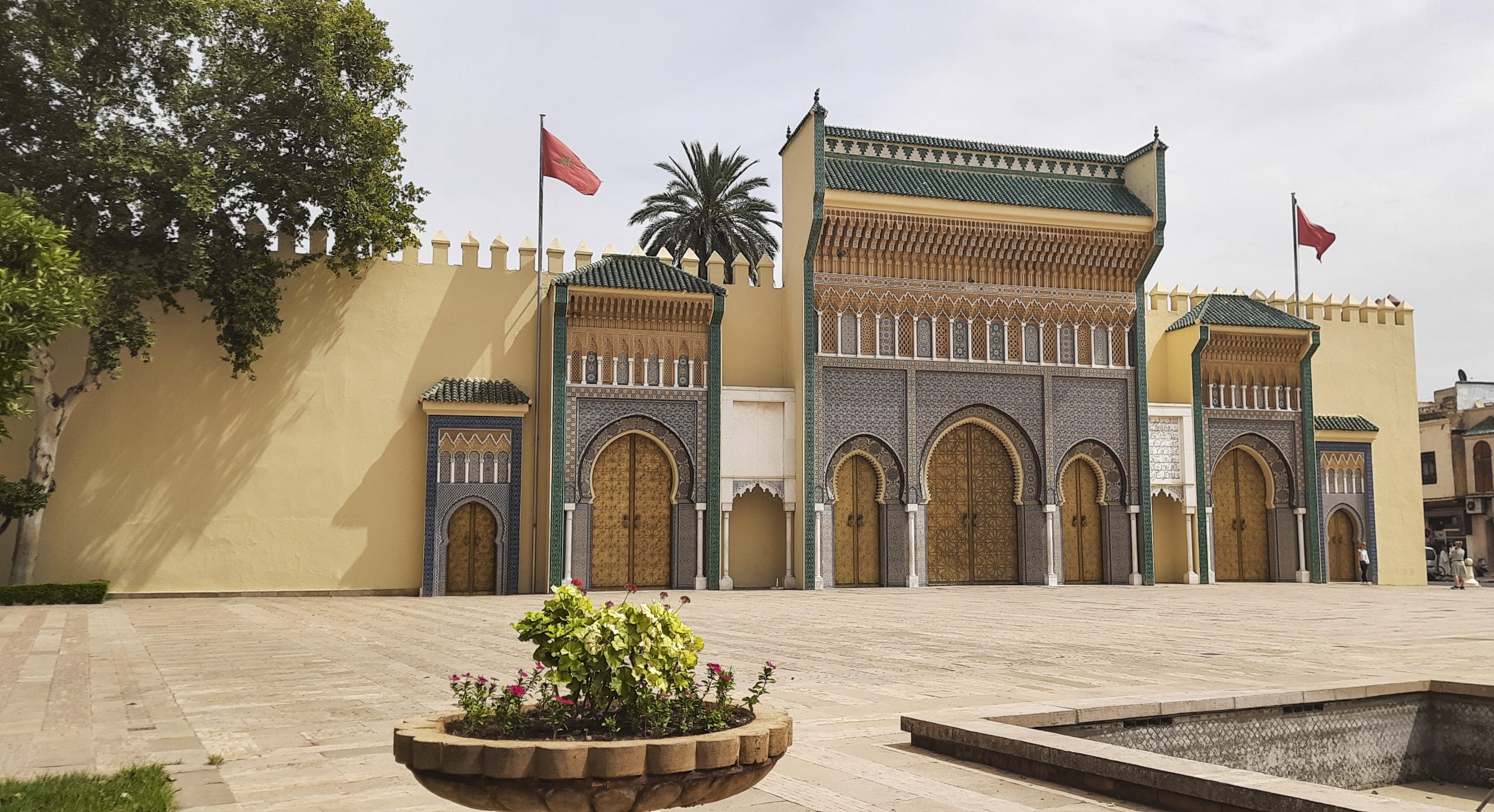
Meknes – The City of a Thousand Doors
Meknes is often called the Versailles of Morocco because of its grand architecture. It became the capital in the 17th century under Sultan Moulay Ismail, who wanted to make it a great imperial city. He built massive walls, beautiful gates, and impressive palaces.
One of the most famous landmarks in Meknes is Bab Mansour, a huge gate covered with green tiles and intricate patterns. It is one of the most beautiful gates in the whole country. The city also has wide avenues, gardens, and the Royal Stables, which were once home to thousands of horses.
Meknes feels more relaxed compared to Marrakech and Fez. It’s a great place to enjoy Moroccan history without the hustle and bustle.
Rabat – The Modern Capital with an Imperial Past
Rabat is the current capital of Morocco, but it is also one of the Imperial Cities. Unlike the other three, Rabat combines modern life with historical charm. Here, you’ll find clean streets, wide boulevards, and a calm atmosphere.
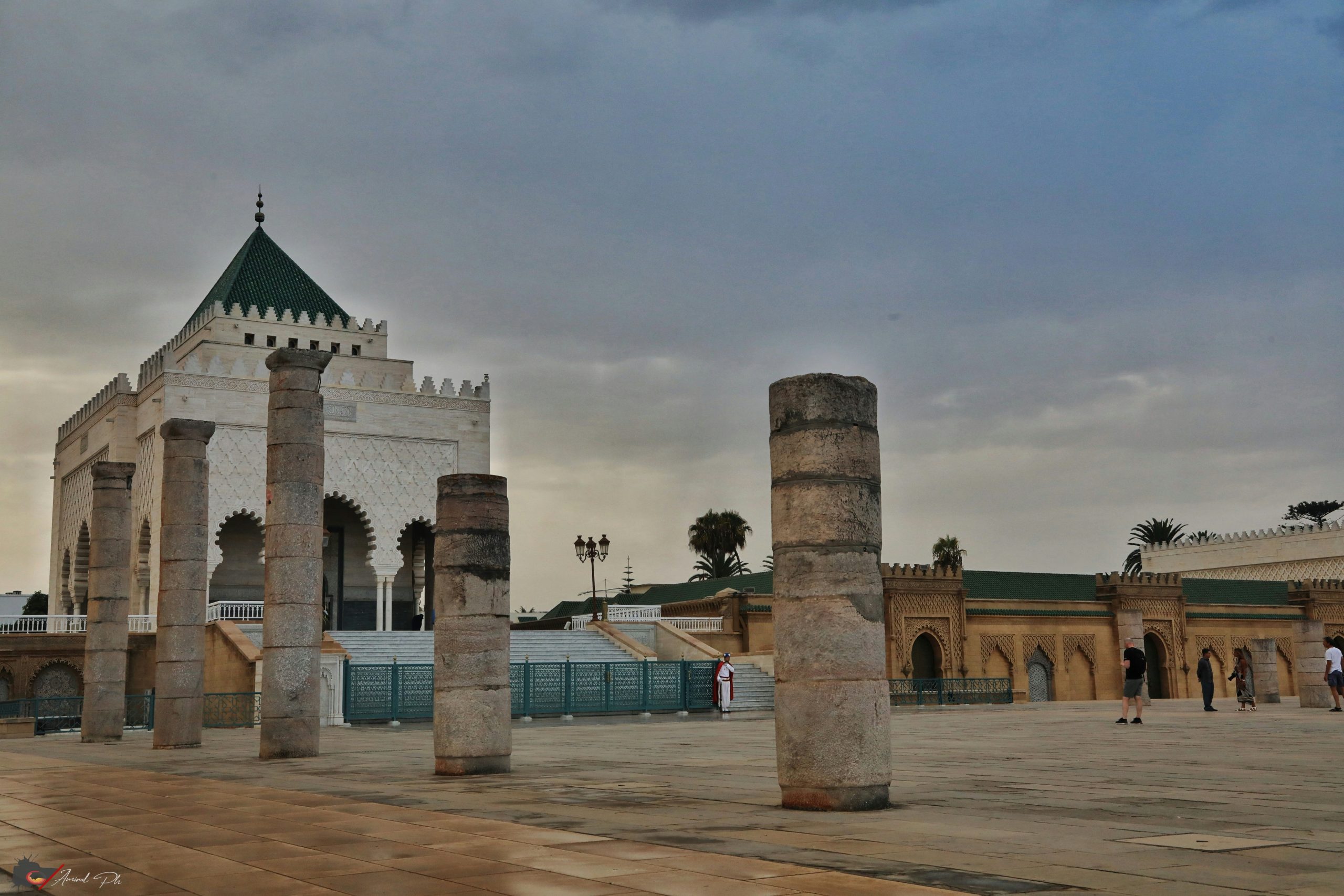
The city is home to the Hassan Tower, an unfinished minaret from the 12th century, and the Mausoleum of Mohammed V, a beautiful white building where Morocco’s late kings are buried. You can also explore the Kasbah of the Udayas, a fortress with blue-and-white painted houses and stunning views of the Atlantic Ocean.
Rabat offers a different experience – it is less crowded with tourists and is an easy city to explore on foot. Its mix of history, culture, and seaside beauty makes it a refreshing part of the imperial journey.
A Journey Through Time
Visiting the four Imperial Cities of Morocco is like walking through the pages of history. Marrakech offers energy and excitement, Fez brings deep tradition and craftsmanship, Meknes shows elegance and royal ambition, while Rabat balances history with a peaceful, modern charm.
Each city has its own personality, yet together they tell the story of Morocco’s rich and colorful past. Whether you are wandering through Marrakech’s busy markets, getting lost in Fez’s old alleys, admiring Meknes’ monumental gates, or enjoying the sea breeze in Rabat, you will be discovering the heart and soul of Morocco during your trip to Morocco.
Exploring them is not just about visiting monuments – it’s about meeting people, tasting flavors, and feeling the unique rhythm of each place. The Imperial Cities are living proof that Morocco’s history is not only preserved in its buildings but also alive in its culture and traditions today.
Plan your private Morocco trip
Our local team plans private tours around your dates, pace and interests, with support 24/7. Explore our Morocco tour ideas or ask us to plan your trip.
The quickest way to see all four imperial cities is the 8-day private tour from Casablanca. With more time, our 10-day tour from Casablanca adds a night in Chefchaouen between Rabat and Fes, and the 9-day tour from Tangier takes in Meknes and Volubilis on the way to Fes.