Looking for the best places to visit in Morocco? This guide compares 14 destinations, from Marrakech and Fes to the Sahara, Atlas Mountains and Atlantic coast. Use it to choose the experiences that interest you, then build a route with enough time for the drives, sightseeing and breaks. You do not need to include every place in one trip.
Morocco packs an extraordinary amount into one country: medieval medinas, the Atlas Mountains, the Sahara and two coastlines. The hard part isn’t finding beautiful places, it’s choosing between them. Below are the places our travelers love most, with a short note on what makes each one special, how long to spend there and how they fit together into a route.
If this is your first trip and you have 10 to 12 days, a classic route covers Marrakech, the Atlas, the Sahara, Fes and Chefchaouen. With less time, pick one region and enjoy it properly.
1. Marrakech

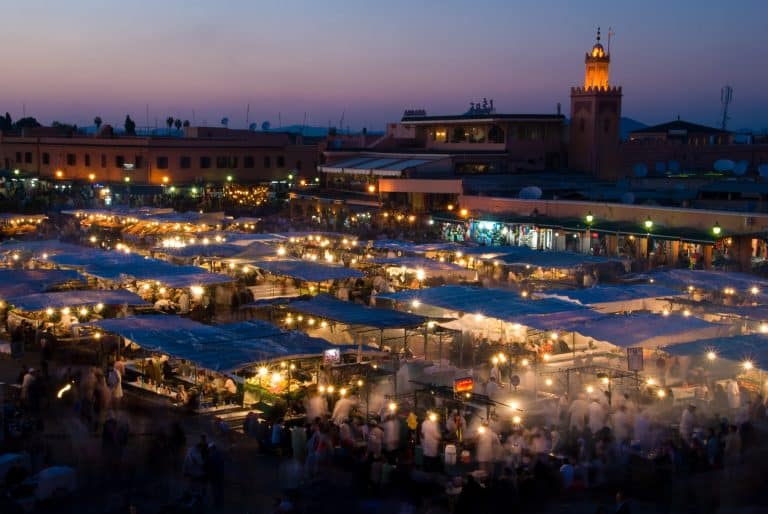
Marrakech is where most trips start, and for good reason. The medina is busy, colorful and full of life, centered on Jemaa el-Fna square, which fills with food stalls, musicians and storytellers every evening. Beyond the square, visit the Bahia Palace, the Saadian Tombs, the Ben Youssef Madrasa and the Jardin Majorelle, then retreat to a quiet riad. Spend at least two nights. Read our guide to five must-see places in Marrakech.
2. The Atlas Mountains

An hour from Marrakech, the High Atlas feels like another world. Berber villages cling to terraced valleys, and paths lead past walnut trees and mountain streams. Imlil, at the foot of Mount Toubkal, is the base for walks of every level, from an easy morning stroll to the climb to North Africa’s highest summit. A night in a mountain guesthouse is one of the most peaceful experiences in Morocco.
3. Ait Ben Haddou and Ouarzazate
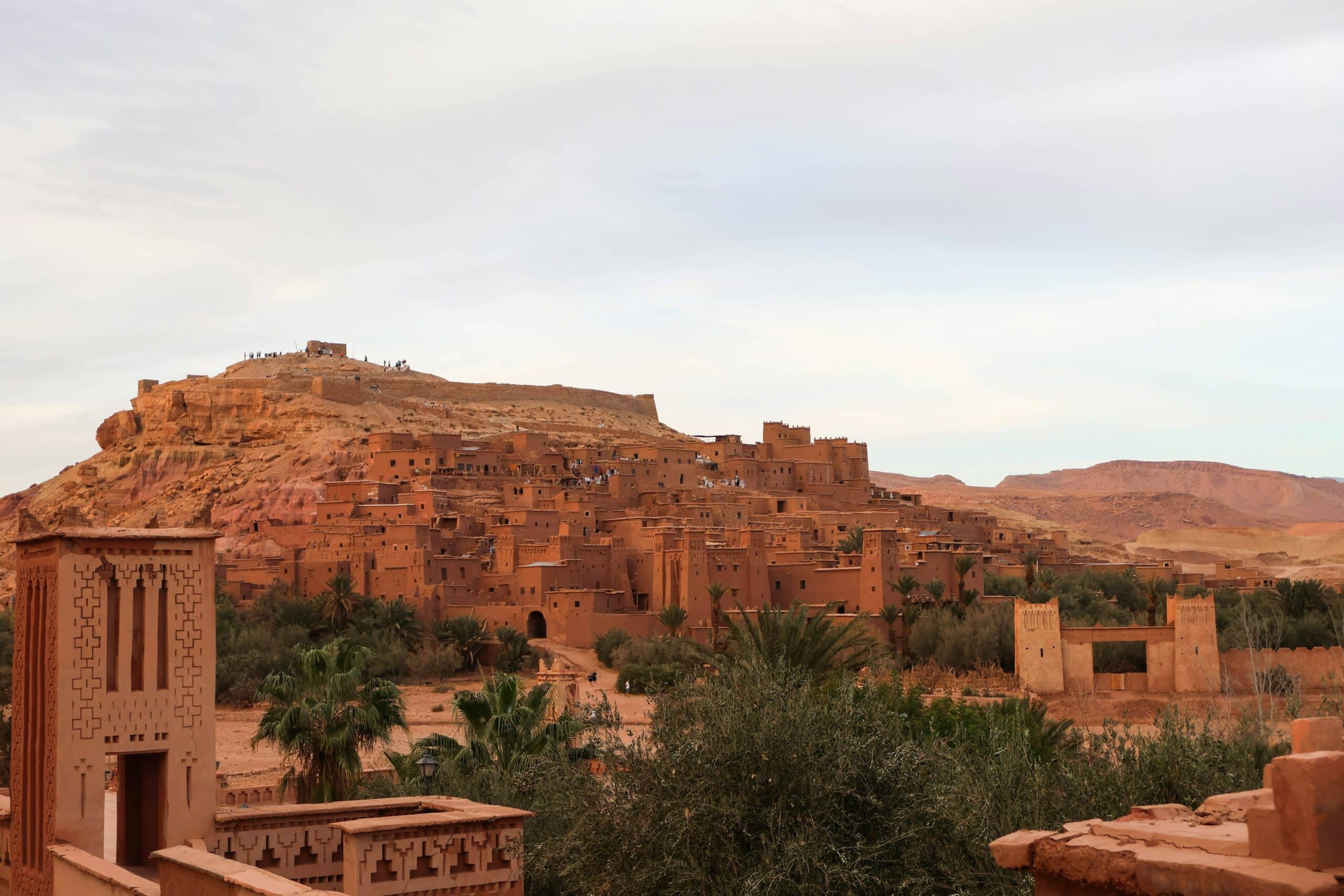
On the road from Marrakech to the desert, the fortified village of Ait Ben Haddou rises up a hillside in layers of earthen walls and towers. It is a UNESCO World Heritage Site and has appeared in many films. Nearby Ouarzazate is home to film studios and the Taourirt Kasbah. Most travelers stop here for a few hours on the way south.
4. The Dades Valley and Todra Gorge

The road east from Ouarzazate follows a string of oases and kasbahs. The Dades Valley has striking rock formations and a famous winding road, and Todra Gorge narrows to a canyon only a few meters wide between cliffs about 300 meters high. A night in the Dades Valley breaks up the drive to the dunes nicely.
5. Merzouga and the Erg Chebbi dunes

For many people, this is the highlight of Morocco. The orange dunes of Erg Chebbi rise up to around 150 meters above the desert. Ride a camel into the dunes at sunset, spend the night in a desert camp, and wake early for sunrise. We always recommend two nights in the area if you can: one is enough to see the dunes, two lets you enjoy them. See our guide to Morocco desert tours.
6. Fes

Fes is Morocco’s oldest imperial city and its spiritual heart. Its medina, Fes el-Bali, is one of the largest car-free urban areas in the world, with tanneries, madrasas and workshops that have barely changed in centuries. It feels more traditional than Marrakech. Plan two full days and a good local guide. Read our guide to the best things to do in Fes.
7. Meknes and Volubilis
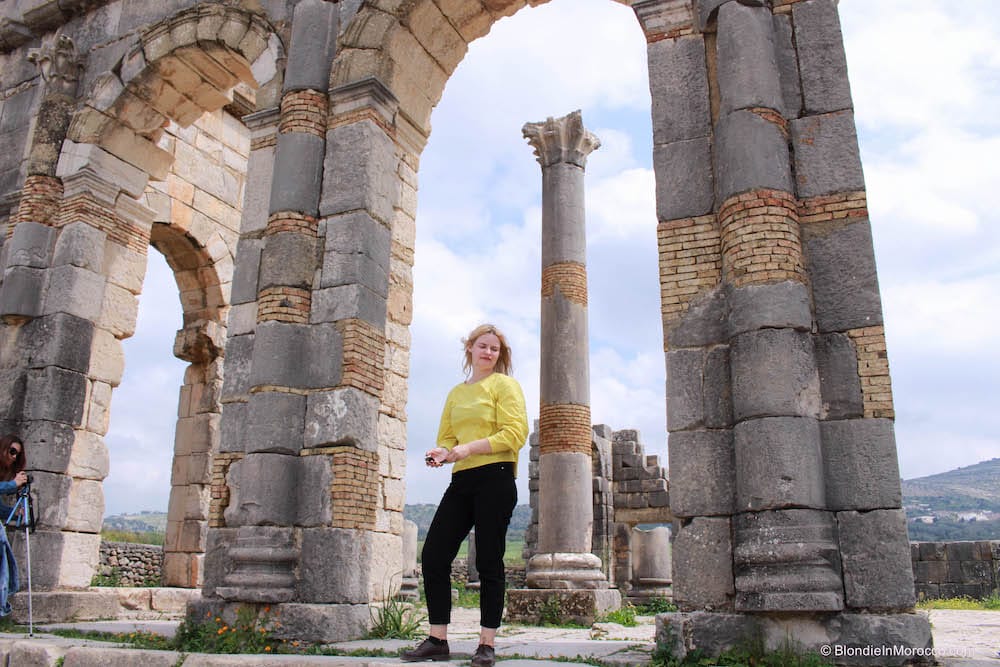
Less than an hour from Fes, Meknes was the capital of Sultan Moulay Ismail, who built huge walls and the monumental Bab Mansour gate. Just outside the city, Volubilis is the best-preserved Roman site in Morocco, with mosaics still in place. Together they make an easy day trip from Fes, or a stop on the way to Chefchaouen or Rabat.
8. Chefchaouen

Tucked into the Rif Mountains, Chefchaouen is famous for its blue-washed lanes. It is small, relaxed and perfect for wandering with a camera. Walk up to the Spanish Mosque for sunset, or hike to the Akchour waterfalls nearby. Stay at least one night: the town is at its best early in the morning and in the evening, after the day visitors leave. Read our Chefchaouen guide.
9. Tangier
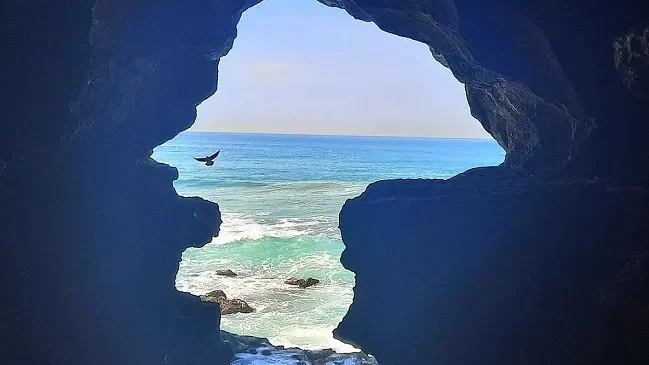
Just across the strait from Spain, Tangier has a mix of African, Spanish and international influences. Walk the kasbah, take tea at the old Café Hafa above the sea, and visit Cap Spartel and the Caves of Hercules where the Atlantic meets the Mediterranean. Tangier is a natural starting point if you arrive by ferry. See our Tangier guide.
10. Rabat
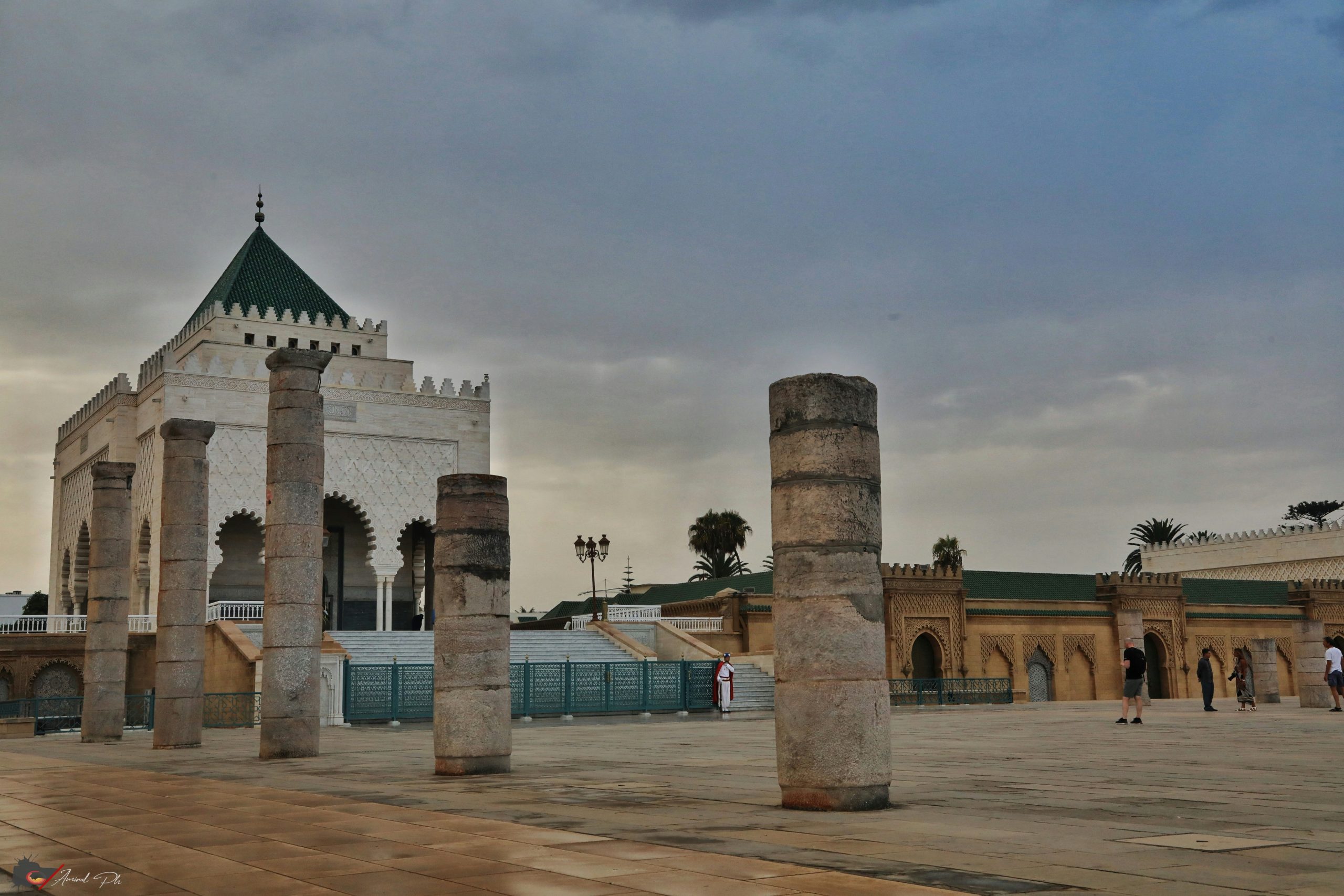
Morocco’s capital is calm, green and easy to explore. The highlights are the blue-and-white Kasbah of the Udayas above the ocean, the Hassan Tower and the Mausoleum of Mohammed V. Rabat is a good half-day or one-night stop between Casablanca and Fes or Tangier. Read our Rabat guide.
11. Casablanca

Most international flights arrive in Casablanca. The city is modern and business-like, but the Hassan II Mosque, built partly over the ocean, is unmissable, and it is one of the few mosques in Morocco that non-Muslims can visit on a guided tour. One night is usually enough. See our Casablanca guide.
12. Essaouira
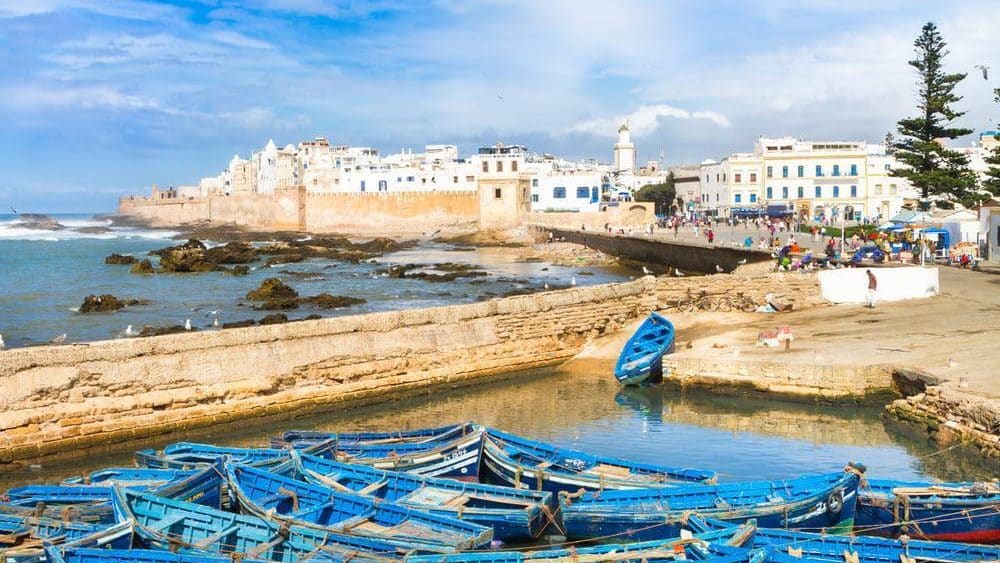
Essaouira is a whitewashed fishing town on the Atlantic, with ramparts, a busy harbor full of blue boats and a relaxed, artistic feel. It is a lovely place to end a trip after the cities and desert, with fresh fish, galleries and long beach walks. It is about three hours from Marrakech. Read our Essaouira guide.
13. Asilah and El Jadida
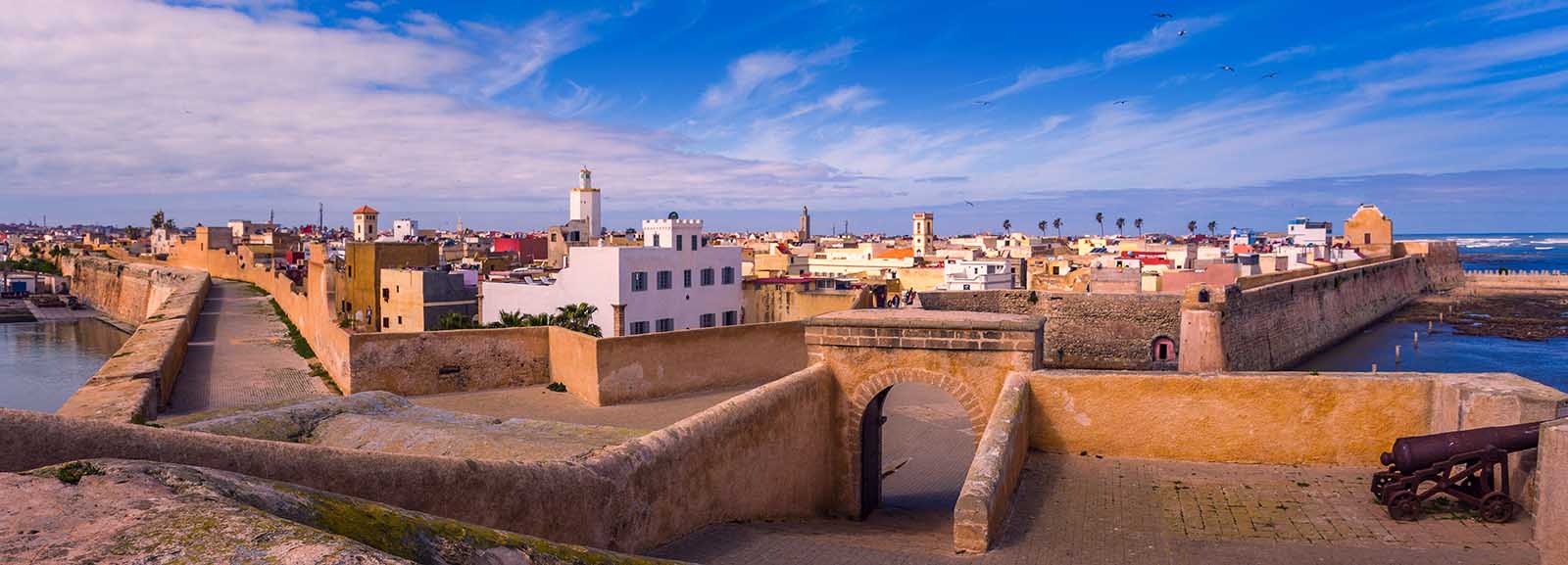
Two small Atlantic towns with lots of character. Asilah, south of Tangier, is known for its whitewashed medina, murals and sunsets. El Jadida, south of Casablanca, has a Portuguese fortress and a famous underground cistern, both part of a UNESCO World Heritage Site. Both work well as stops on a coastal route.
14. Agadir

Agadir is Morocco’s main beach resort, with a long sheltered bay, reliable sunshine and modern hotels. It is a good choice for families and for relaxing at the end of a trip, and the surf village of Taghazout is just north. Read our Agadir guide.
How to combine these places
- 7 to 9 days: Marrakech, the Atlas, Ait Ben Haddou, Dades, Merzouga and Fes, ending in Fes or Casablanca.
- 10 to 12 days: add Chefchaouen and Rabat. This is the classic first-time route.
- 14 days or more: add Essaouira, the coast or extra nights in the mountains and desert.
Every one of our private Morocco tours can be adjusted to include the places you care about most. Our 12-day tour from Casablanca and 14-day tour from Marrakech cover most of this list.
Frequently asked questions
What is the most beautiful place in Morocco?
It depends on what you love. For most of our travelers, the Sahara at Merzouga, the blue streets of Chefchaouen and the Fes medina are the three places they talk about long after the trip.
How many days do I need to see Morocco?
Ten to twelve days lets you see the imperial cities, Chefchaouen and the Sahara without rushing. A week is enough for Marrakech, the Atlas and the desert.
What is the best time to visit Morocco?
Spring (March to May) and autumn (September to November) are the most comfortable for touring. Summer is very hot inland, and winter nights are cold in the desert and mountains.
Plan your route
Not sure which places to choose? Tell us your dates and interests, and our local team will suggest a route that fits your time and pace, with your own driver and licensed guides along the way.