

Morocco Top Trips · Updated 30 October 2026
Morocco is one of the most rewarding countries you can visit, and also one where a little preparation makes a big difference. This guide brings together everything our team tells first-time visitors: how long to stay, when to go, how to get around, what to wear, how money works, and the small cultural details that make the trip smoother.
How long should you stay?
Morocco is bigger than it looks on the map, and the best places are spread out. As a rough guide:
- 5 to 7 days: Marrakech, the Atlas Mountains and a desert trip to Merzouga or Zagora.
- 10 to 12 days: the classic route, with Marrakech, the Atlas, the Sahara, Fes and Chefchaouen. Our 10-day private tour from Casablanca is a good example.
- 2 weeks or more: add the coast (Essaouira, Asilah), extra mountain time or a slower pace in the desert.
If you’re torn between places, read our guide to the best places to visit in Morocco or our road trip route ideas.
When to go
- Spring (March to May) and autumn (September to November): the best seasons for touring, with warm days and comfortable nights.
- Summer (June to August): very hot in Marrakech, Fes and the desert, but pleasant on the coast and in the mountains.
- Winter (December to February): sunny days but cold nights, especially in the Sahara and the Atlas, where there can be snow.
During Ramadan, the month of fasting, many restaurants close during the day outside tourist areas, and the evenings are lively. It’s a fascinating time to visit if you plan around it. Ramadan moves about 11 days earlier each year.
Entry requirements
Citizens of the US, UK, Canada, Australia and most of Europe can visit for up to 90 days without a visa. Your passport must be valid for at least six months. Read our full guide to Morocco visa requirements.
Money, cards and tipping
- The currency is the Moroccan dirham (MAD). It’s a closed currency, so you get it in Morocco from ATMs or exchange offices, not at home.
- ATMs are easy to find in cities and towns. Cards are accepted in most hotels and larger shops, but you need cash for taxis, markets, cafés and small restaurants.
- Keep the receipts when you change money if you want to convert dirhams back before leaving.
- Tipping is customary. Round up in cafés, leave around 10% in restaurants, and tip guides and drivers at the end of their service if you were happy.
For a breakdown of costs, see our Morocco travel budget guide.
Getting around
- Trains: the national rail network links Marrakech, Casablanca, Rabat, Fes, Meknes and Tangier. The Al Boraq high-speed train takes about two hours between Tangier and Casablanca.
- Buses: companies such as CTM and Supratours run comfortable long-distance buses to places the trains don’t reach.
- Taxis: small “petit taxis” work within cities and should use the meter. Larger “grand taxis” run between towns.
- Car rental: possible, but mountain roads are slow, city driving is hectic and parking near the medinas is difficult.
- Private driver: the most relaxing option for the Atlas and the desert, where public transport is limited. Your driver handles the roads while you enjoy the views and stop when you want.
Where to stay
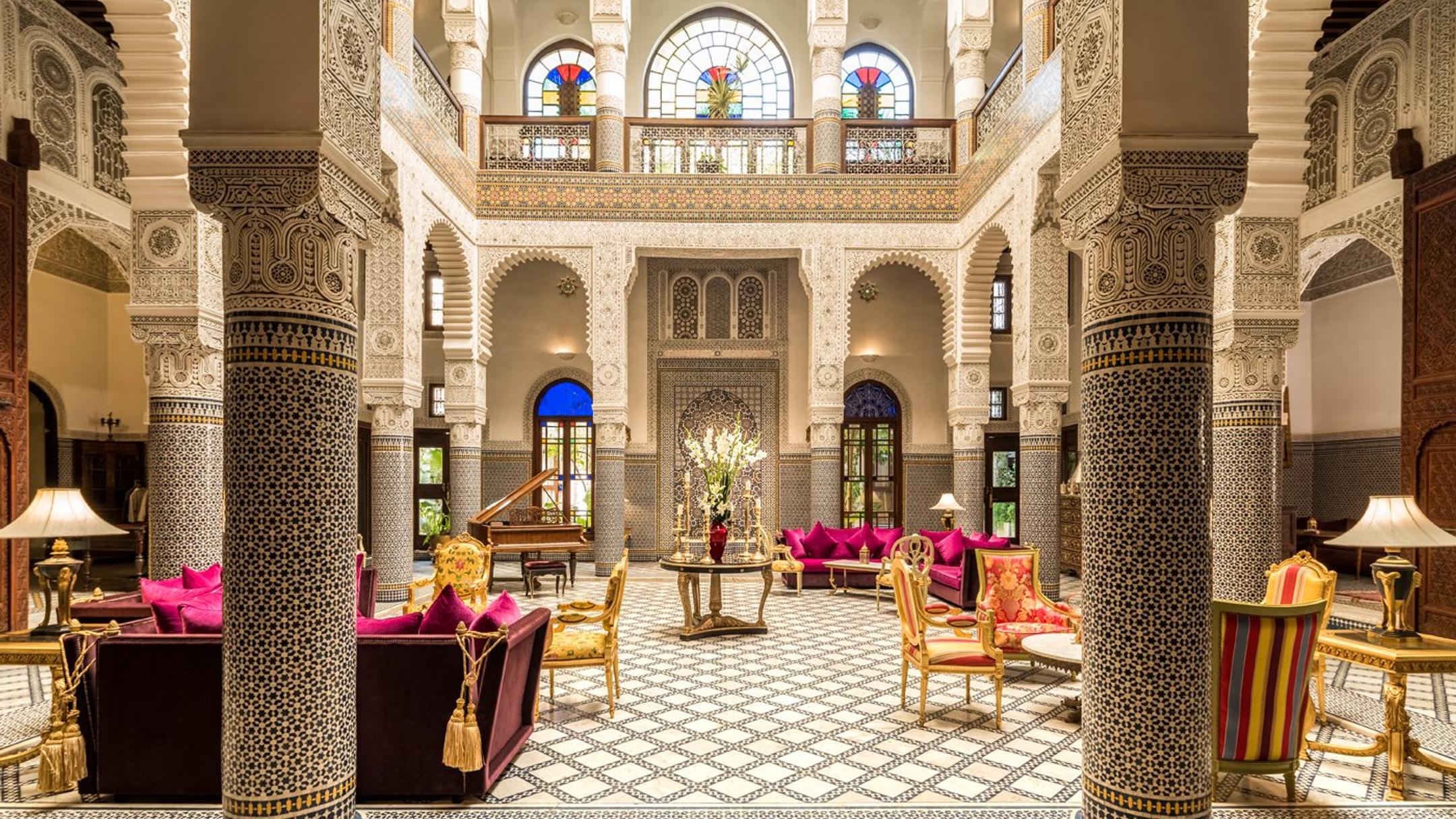
Stay in a riad at least in Marrakech and Fes. These traditional houses are built around a central courtyard, and many have only a handful of rooms, so they feel calm and personal. In the south, look for restored kasbahs, and in the Sahara, spend at least one night in a desert camp. Read our guide to the best riads in Morocco.
Language and a few useful words
Moroccans speak Darija (Moroccan Arabic) and Tamazight (Berber), and French is widely used in cities and business. In tourist areas, many people also speak English and Spanish. A few words go a long way:
- Salam alaikum: hello.
- Shukran: thank you.
- La, shukran: no, thank you. Useful in the souks!
- Inshallah: God willing. You’ll hear it constantly.
- Balak: watch out! If you hear it in a medina lane, step aside for a cart or a donkey.
Culture and etiquette
- Dress modestly, especially outside big cities. Covering shoulders and knees is a good rule for everyone.
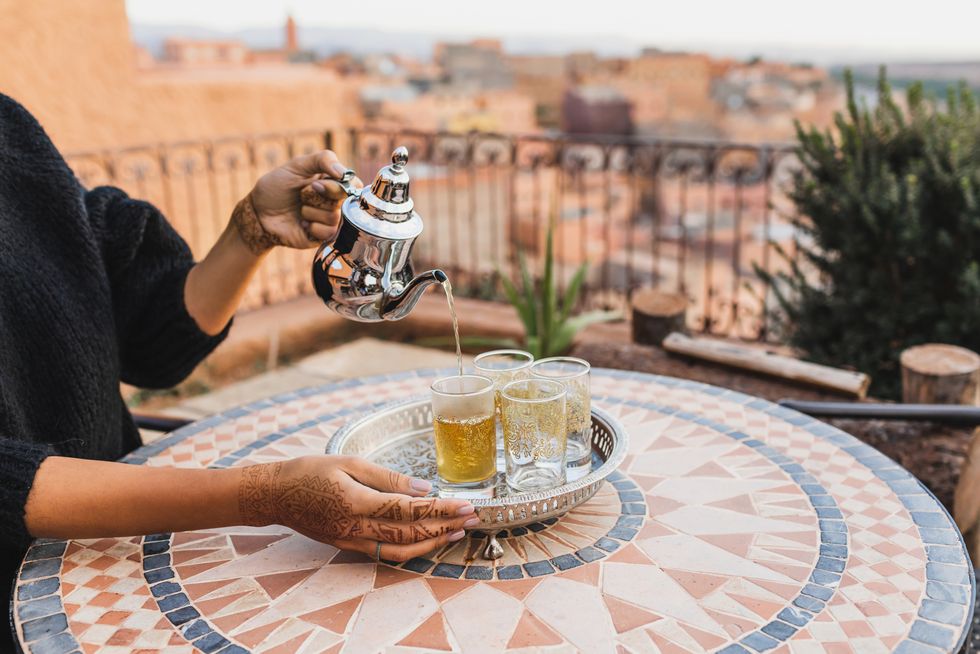
- Mint tea is a sign of welcome. If you’re offered a glass, accept it, even if you only take a sip.
- In someone’s home, take your shoes off and use your right hand for eating and greeting.
- Mosques: most are closed to non-Muslims. The Hassan II Mosque in Casablanca is the main exception, with guided visits.
- Photos: always ask before photographing people, and accept a “no” with a smile.
- Conversation: Moroccans are open and curious, but it’s best to avoid debating religion, politics or the monarchy.
- Respect elders: older people are treated with great respect, and it’s polite to greet them first.
Food and drink
Moroccan food is one of the joys of the trip. Try tagines, couscous (traditionally eaten on Fridays), harira soup, pastilla and, in Marrakech, tangia, a slow-cooked meat dish. Drink bottled or filtered water, and choose busy places where locals eat. Alcohol is available in many hotels and some restaurants, but not everywhere. Read our guide to Moroccan dishes.
Medinas, souks and haggling

The old medinas are the heart of Moroccan cities, and they can feel overwhelming at first. Walk with a licensed guide on your first visit, and don’t follow strangers who offer to “show you the way”. In the souks, bargaining is normal and expected. Start by asking the price, offer what feels fair, and keep it friendly. If you’re not interested, a polite “la, shukran” is enough.
Safety and health
Morocco is a welcoming country, and most trips are trouble-free. Take the same precautions you would anywhere: watch your belongings in crowds, use registered taxis and buy travel insurance. Read our Morocco safety tips and Is Morocco safe? guides, and check your government’s travel advice before you go.
Staying connected
Local SIM cards and eSIMs from Maroc Telecom, Orange and inwi are inexpensive and give good coverage in towns and along main roads. Wi-Fi is standard in riads and hotels, but it can be slow or absent in the desert and mountains.
Choosing a tour company: questions to ask
If you book a private tour, ask these questions before you pay:
- Is the company licensed, and are the city guides official, licensed guides?
- Is the tour fully private, or will we share the vehicle with other travelers?
- What exactly is included: hotels, meals, guides, entrance fees, the desert camp?
- Can the route and hotels be changed to suit us?
- How much is the deposit, and what are the payment and cancellation terms?
- Who do we call if something goes wrong during the trip, day or night?
These are exactly the questions we’re happy to answer. Read more about our local team or see what our travelers say.
Frequently asked questions
Is Morocco good for first-time visitors?
Yes. It’s easy to reach from Europe and North America, and with a sensible route and good planning, it’s a wonderful first trip to North Africa.
Do I need to speak French or Arabic?
No. English is spoken in hotels, riads and by guides, and a few words of Darija or French are always appreciated.
Can women travel in Morocco alone?
Yes, many do. Dress modestly, plan your evenings and use trusted transport. Read our guide to solo female travel in Morocco.
Is Morocco suitable for families?
Very much so. Moroccans love children, and camel rides, desert camps and riad pools are a hit with kids. See our family travel tips.
Start planning
Ready to plan your first trip? Tell us your dates and interests, and we’ll suggest a private route with your own driver, hand-picked stays and licensed guides. You can also browse all our private Morocco tours.


